
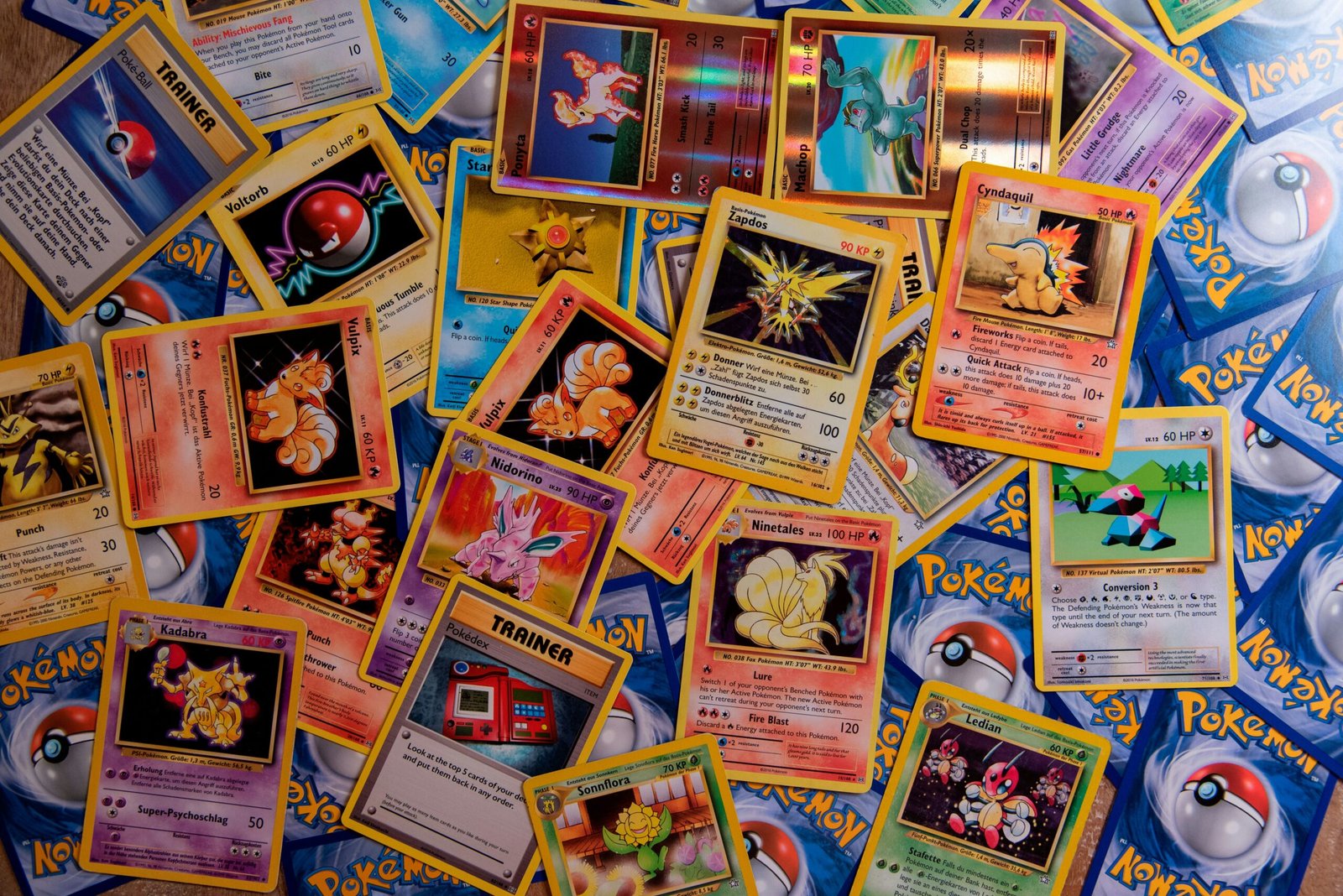
Collectibles investing sounds like a strange phrase to some people. Cardboard and plastic figures don’t feel like they belong in the same conversation as index funds and earnings reports. But once you start tracking a collection the way you’d track a portfolio, the similarities are hard to ignore.
I didn’t set out to think this way. Like most collectors, I started buying things because I liked them. A card here, a comic there, whatever caught my eye at a shop or a show. Somewhere along the way, though, I noticed I was making the same decisions with my collection that I make with my actual investments: what am I holding, what’s it worth now, and is it time to sell.
That’s the core of collectibles investing. It’s not about stripping the fun out of the hobby, it’s about being honest with yourself about what you’re actually doing with your money. If you’re buying cards, comics, or games with any expectation that they’ll hold or grow in value, you’re already investing, whether you’ve called it that or not.
Collectibles Investing: Tracking Value Like a Real Asset
The first thing I changed was how I recorded what I owned. Just like a stock portfolio has a cost basis, I started logging what I paid for each item, the date I bought it, and its current estimated value based on recent sold listings, not asking prices. Asking prices are noise. Sold prices are signal. This one habit alone changed how I look at my shelf.
Knowing when to hold, and when to sell
In the stock market, holding forever isn’t automatically the right move, and it isn’t in collectibles either. Some items appreciate steadily and are worth holding long-term. Others spike quickly on hype and are worth flipping before the excitement fades. Learning to tell the difference is the actual skill behind collectibles investing, not just knowing what’s popular, but knowing what’s likely to still matter in a year.
The boring math that protects you
Nobody gets into collecting because they love spreadsheets. But the boring tracking work, cost basis, current value, total invested, is what keeps a hobby from quietly draining your finances without you noticing. It’s easy to justify one more purchase in the moment. It’s much harder to justify it once you can see the total number in black and white.
Why this mindset matters going forward
This isn’t about turning a hobby into a stressful job. It’s about making sure the money going into something you love is working for you, not just disappearing into a growing pile you can’t account for. Collectibles investing, done right, means you get to keep enjoying the hobby while also treating it with the same respect you’d give any other asset.
A quick example of how this plays out
Say I bought a card two years ago for $40 because I liked the character, not because I thought it would appreciate. If I check recent sold listings today and it’s consistently selling for $65, that’s real, verifiable information, not a guess. Now I have a decision to make: keep it because I still love it, or sell it because the return is good and the money could go toward something else I want more. Neither choice is wrong. What matters is that I’m making the decision with actual data instead of just gut feeling or nostalgia. That’s the entire difference between collecting and collectibles investing, the second one just means you’re paying attention to the numbers behind the hobby you already love.
Going forward, this is going to be a running series here. I’ll be breaking down specific items, tracking real sold prices, and being honest about what’s actually worth buying right now versus what’s just noise. If you’re someone who collects because you love it, but also wants to be smart about what you’re putting your money into, this is exactly the kind of content I’ll be building out.